
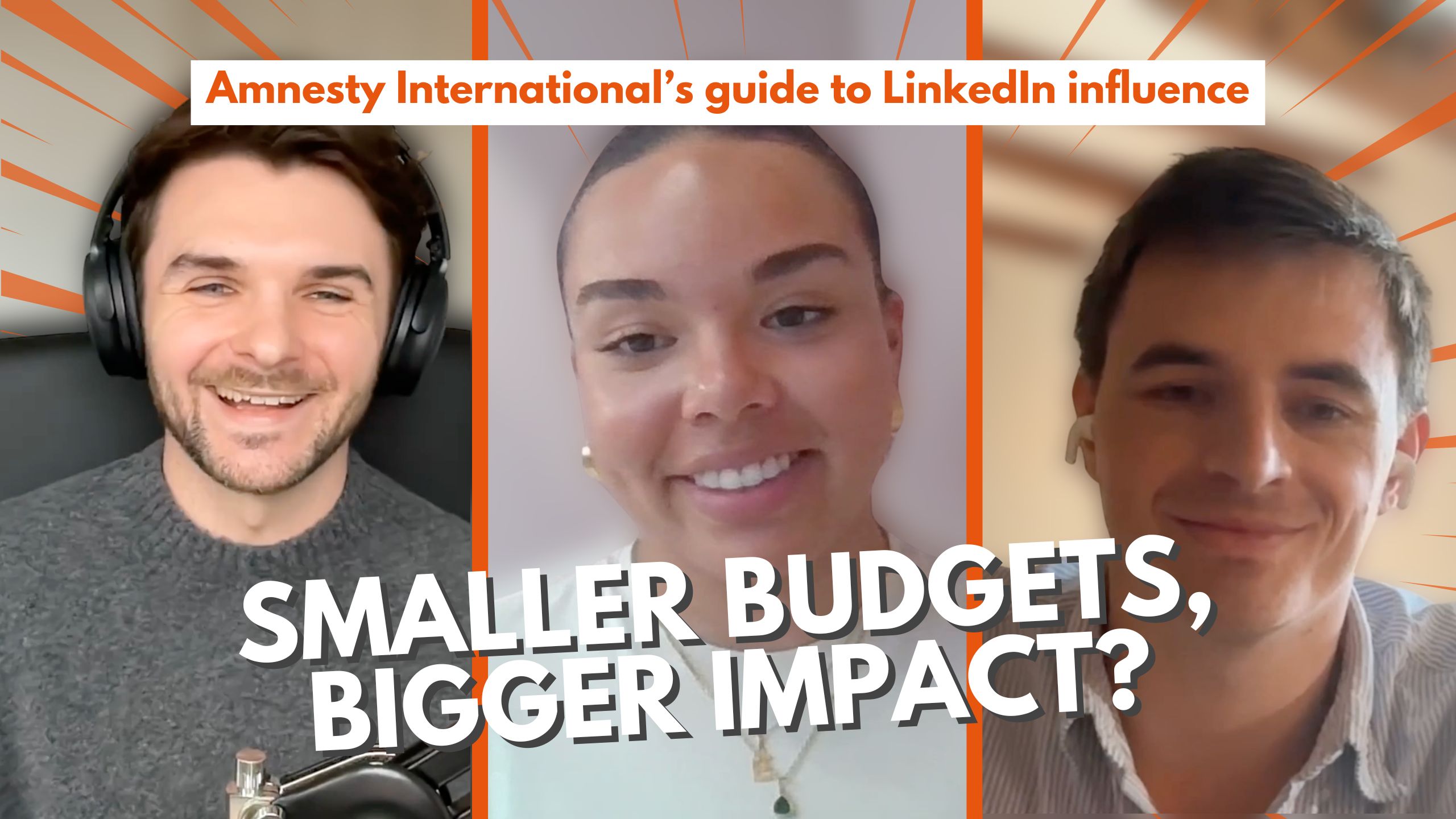
[Episode Eighty-Two of ‘The Employee Advocacy and Influence Podcast] 🎧
Eleshea Williams, Social Media Specialist at Amnesty International, reveals how she transformed LinkedIn from a job board into a powerful advocacy platform, outlining the opportunities and challenges for nonprofit employee advocacy.
Eleshea discusses the specific hurdles charities face, such as the fear that personal posts might trigger backlash against donations or signatures, and the common reluctance among nonprofit staff to appear “self-promotional.” You’ll hear how Amnesty overcame these obstacles by reframing LinkedIn as a direct tool for advocacy rather than just personal branding. This conversation provides a blueprint for any organization looking to humanize its brand through authentic, employee-led storytelling.
Key Takeaways:
- How to alleviate employee fears regarding posting
- Why employee-generated content is more effective than high-budget influencer marketing
- The exact training structure Amnesty International used to motivate staff without financial incentives.
- How non-marketing roles can drive massive brand awareness.
- Why chasing perfection and “ideal posting times” can actually kill your program’s momentum.

Trust is the Primary Currency in Modern Marketing
In the nonprofit sector, the shift from corporate logos to human voices is essential because trust is earned through authentic storytelling rather than institutional authority. Eleshea noted that as people lose trust in large institutions and corporations, they increasingly rely on individuals to provide transparency and authenticity. By allowing employees to share their own stories, organizations can leverage a currency of trust that a company page simply cannot replicate. For marketers, this means moving away from polished corporate messaging toward raw, employee-led narratives that resonate on a personal level.
Activate Non-Marketing Teams for Unexpected Audience Growth
A key insight from Amnesty’s experience is that advocacy extends beyond the marketing department. Eleshea discovered that two IT team members were responsible for driving more than 12,000 IT professionals to Amnesty’s company page by discussing IT security in relation to human rights. This attracted a niche audience that the core marketing team might never have reached. Every role in a company offers a unique perspective that can draw a diverse base of talent and supporters. Highlighting the importance of marketing managers in identifying internal influencers in technical roles.
Reject Perfectionism to Maximize Organic Reach and Consistency
A rigid focus on perfect posting times and high-frequency schedules can discourage employees from participating at all. Eleshea removed “dos and don’ts” regarding specific times and days to post, instead encouraging employees to “not start with perfection”. Elliot noted that everyone has a different cadence; for some, posting once a month or even once a year is a significant and valuable contribution. Forcing a specific KPI or frequency can make advocacy feel like extra work rather than a tool for personal and professional growth. By lowering barriers to entry and enabling flexible participation, organizations can build a more resilient, diverse movement on social media.
Ready to start your own employee advocacy program?
Whether you’re exploring employee advocacy or considering DSMN8 as your platform, we can help you get started with confidence.
Learn More About Employee Advocacy:

Selina Sher Gill
Selina has a Master's Degree in Marketing and Brand Management, and is DSMN8's Digital Marketing Executive. She's a pro at creating and editing video content, using these skills to create short-form social media videos and edit the Employee Advocacy and Influence podcast.